
psychology Abstract
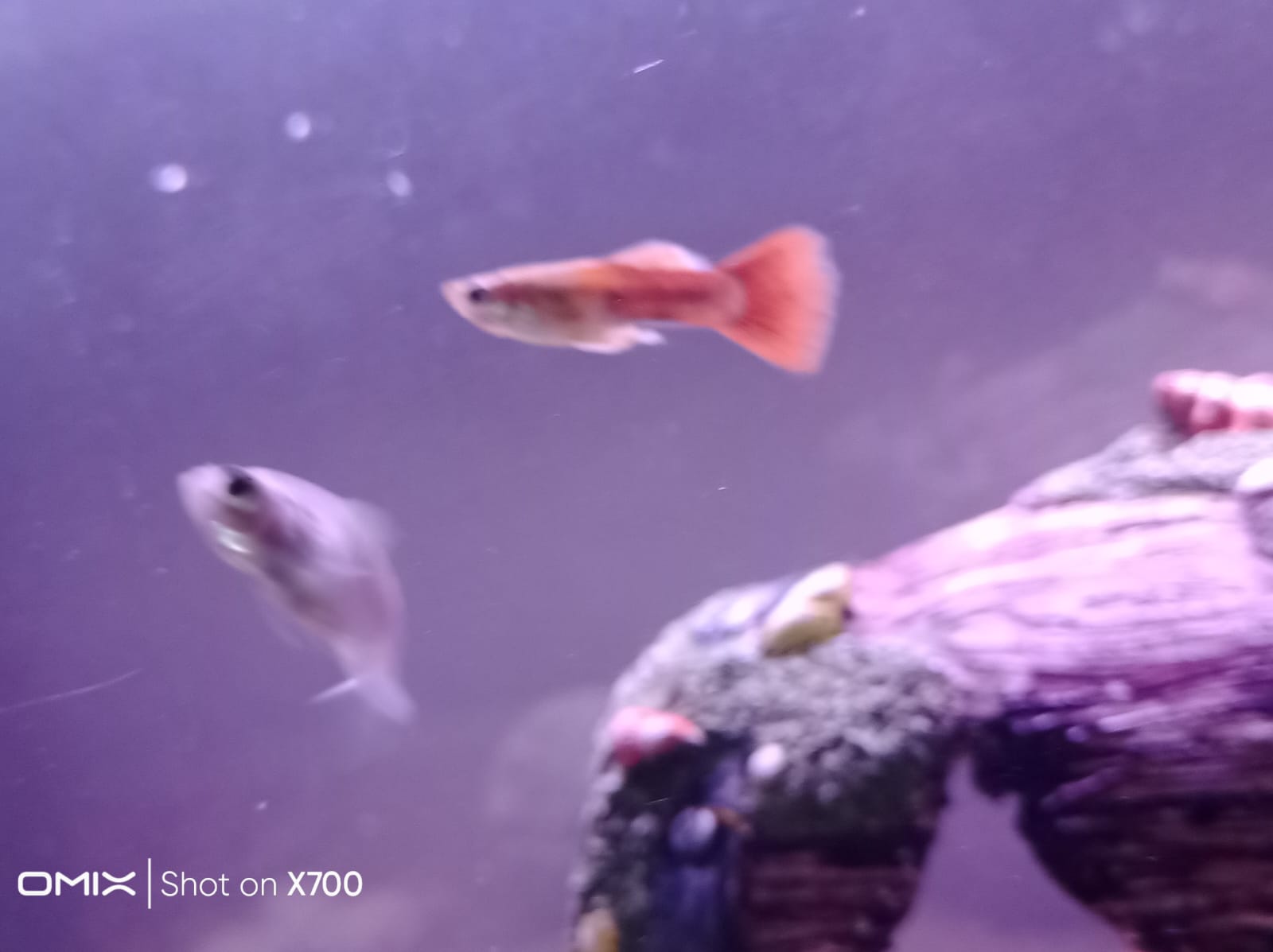
This article explores how environmental factors—especially light and water conditions—affect the behavior and breeding of guppies (Poecilia reticulata). It combines personal aquarium observations with John A. Endler's 1987 findings, showing how these fish reflect broader ecological and evolutionary principles in a controlled environment.
1. Introduction
Guppies are widely used in aquaria and research for their ease of breeding and particular sensitivity to environmental change. I am Ömer Efe Merey, a second-year Molecular Biology and Genetics student at Istanbul Sabahattin Zaim University. My interest began with breeding my own guppies and rapidly evolved into an academic focus on animal experimentation and behavioral biology.
2. Background: Biology of Guppies
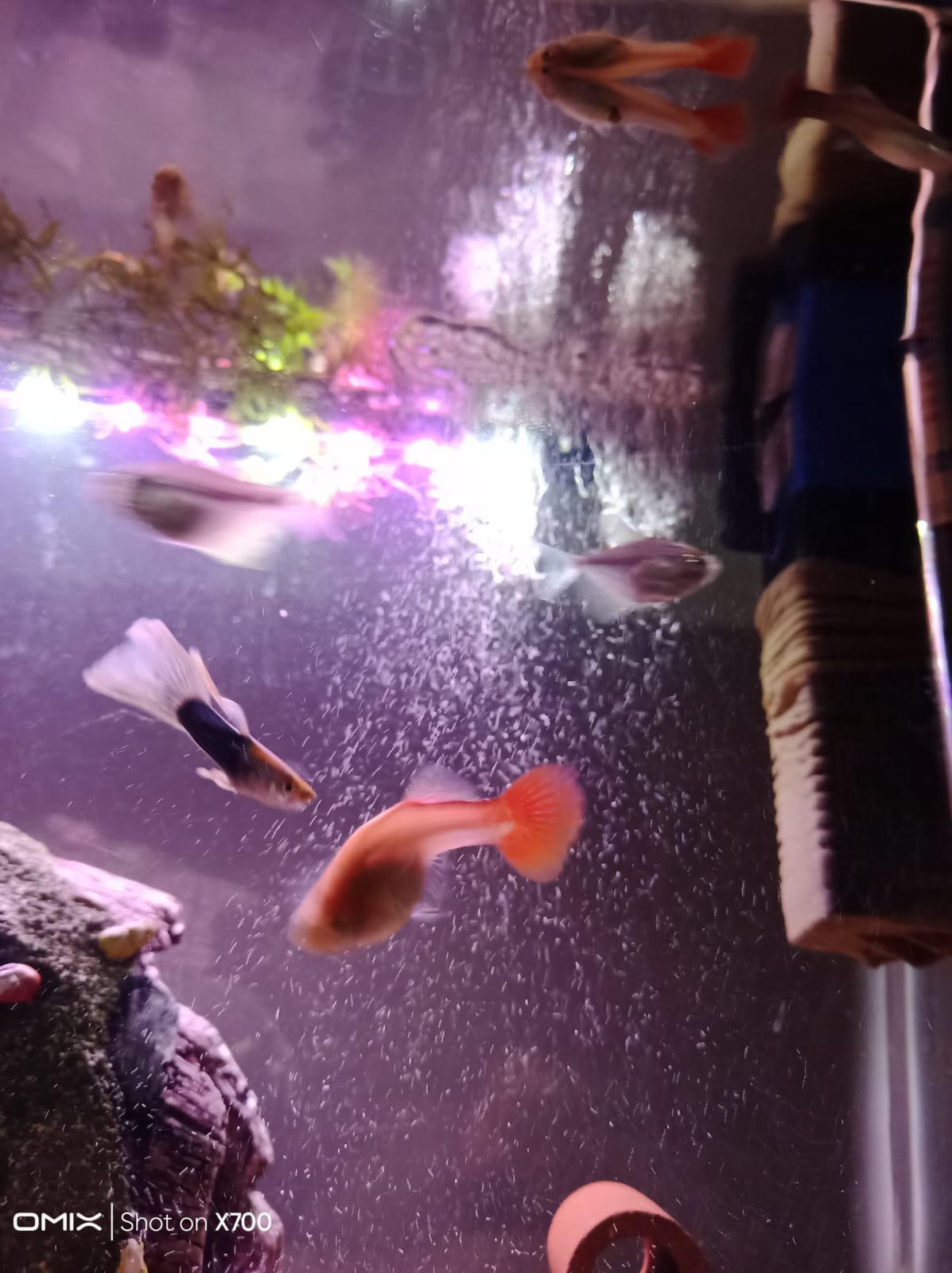
Understanding the natural history of Poecilia reticulata is crucial for replicating optimal conditions:
- Origin: South American warm freshwater habitats.
- Parameters: Temp ~26 °C; pH 6.8–7.6.
- Reproduction: Livebearers with a gestation of approx. 30 days.
- Signs: The "gravid spot" darkens significantly before birth.
3. Scientific Findings: Endler (1987)
Predation and light intensity are key modulators of male courtship behavior. Research indicates:
Low light environments increase courtship displays, whereas bright light (or predator presence) reduces conspicuous displays, favoring "sneak copulation" strategies to avoid detection.
4. Key Observations
Light Intensity
Activity and courtship were significantly higher in low-to-moderate light. Bright light triggered caution and hiding behavior.
Water Quality
Stable parameters (NO3 < 20ppm) correlated directly with successful fry survival rates.
Video Evidence
5. Conclusion
Guppies demonstrate highly adaptive behavior modulated by environmental cues such as light and water chemistry. For successful breeding and welfare, a balanced environment that mimics their natural habitat—specifically regarding structural enrichment and stable photoperiods—is essential.
menu_book References & Further Reading
- Endler, J. A. (1987). Predation, light intensity and courtship behaviour in Poecilia reticulata (Pisces: Poeciliidae). Animal Behaviour, 35(5), 1376-1385.
- Magurran, A. E. (2005). Evolutionary Ecology: The Trinidadian Guppy. Oxford University Press.
- Houde, A. E. (1997). Sex, Color, and Mate Choice in Guppies. Princeton University Press.